Ghosts of Reality
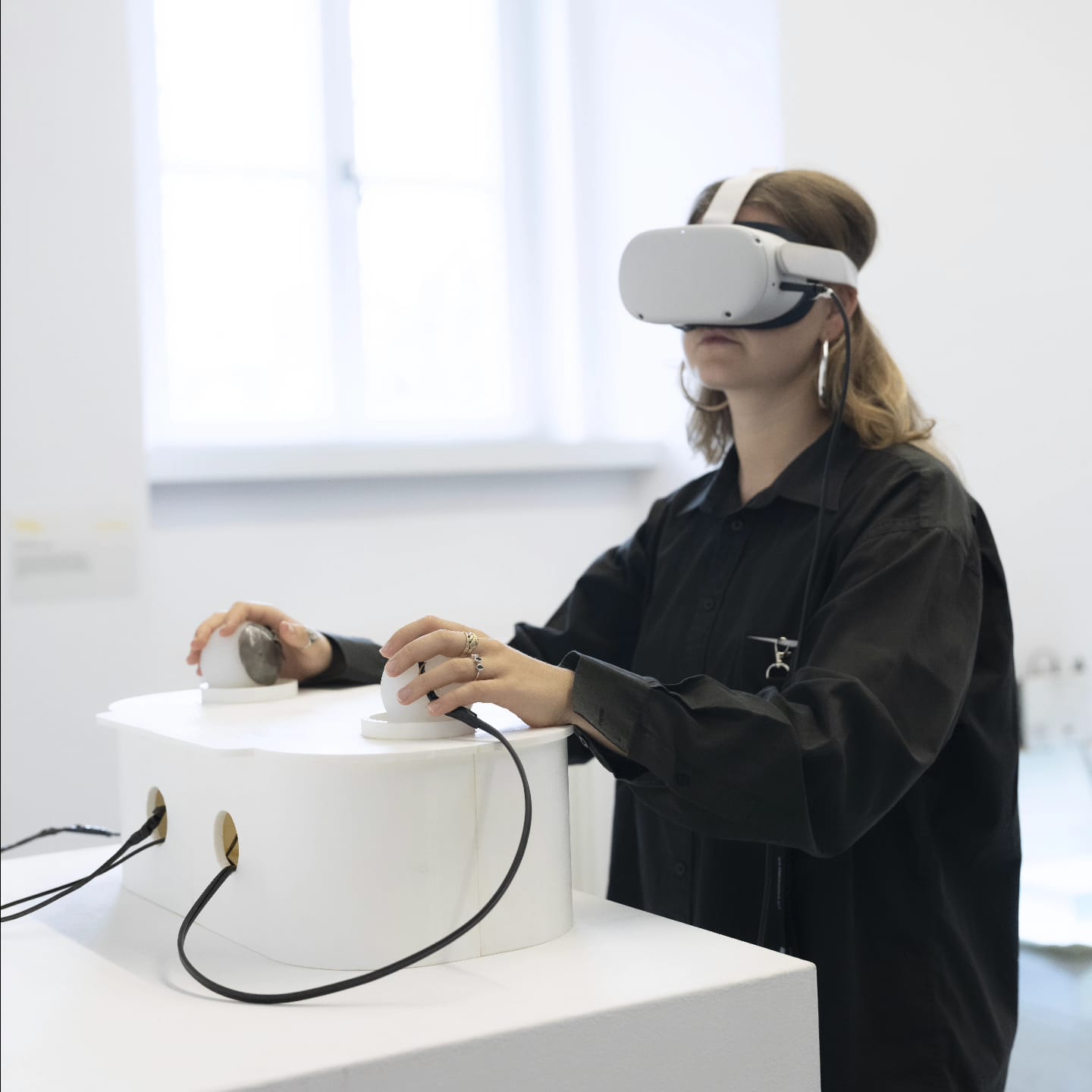
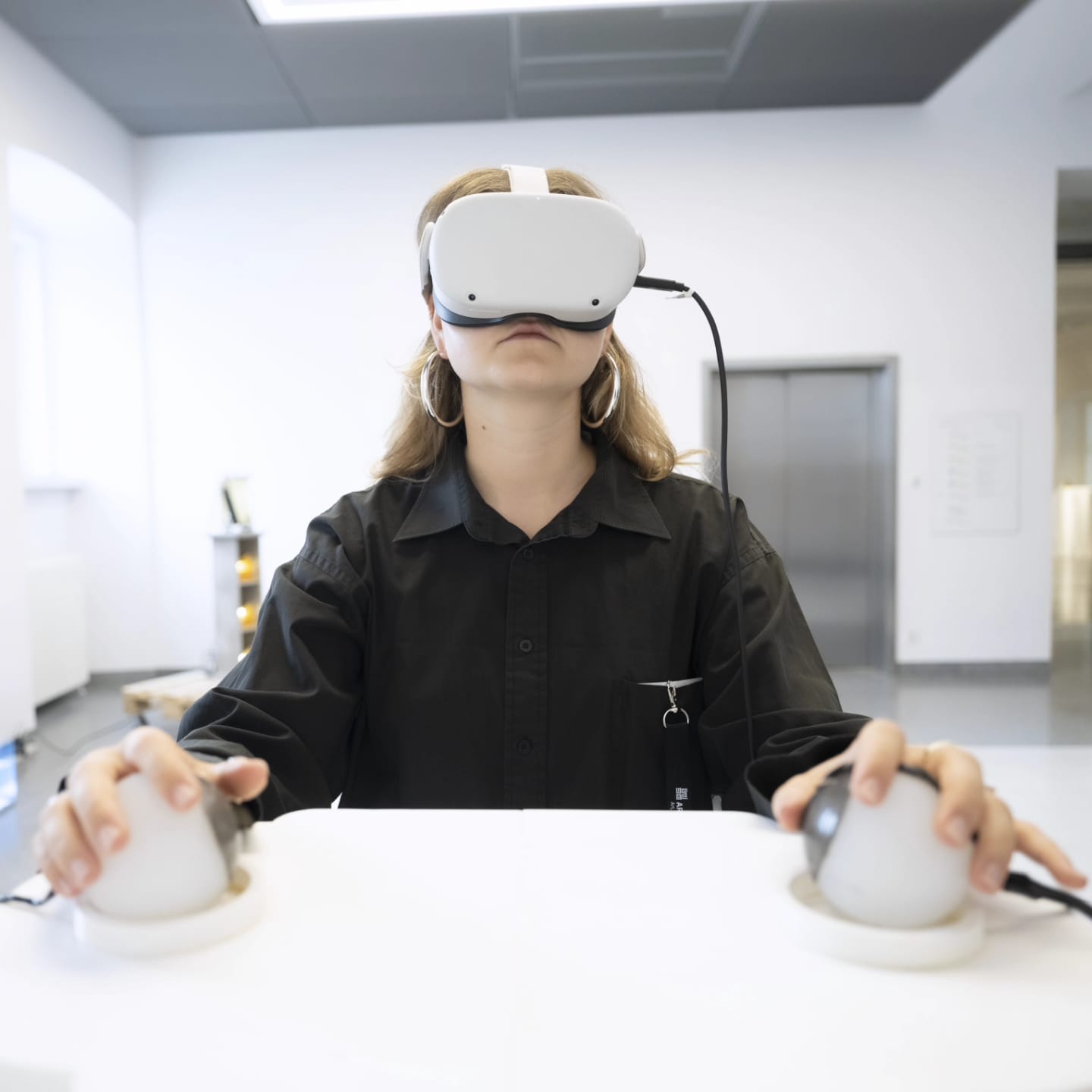
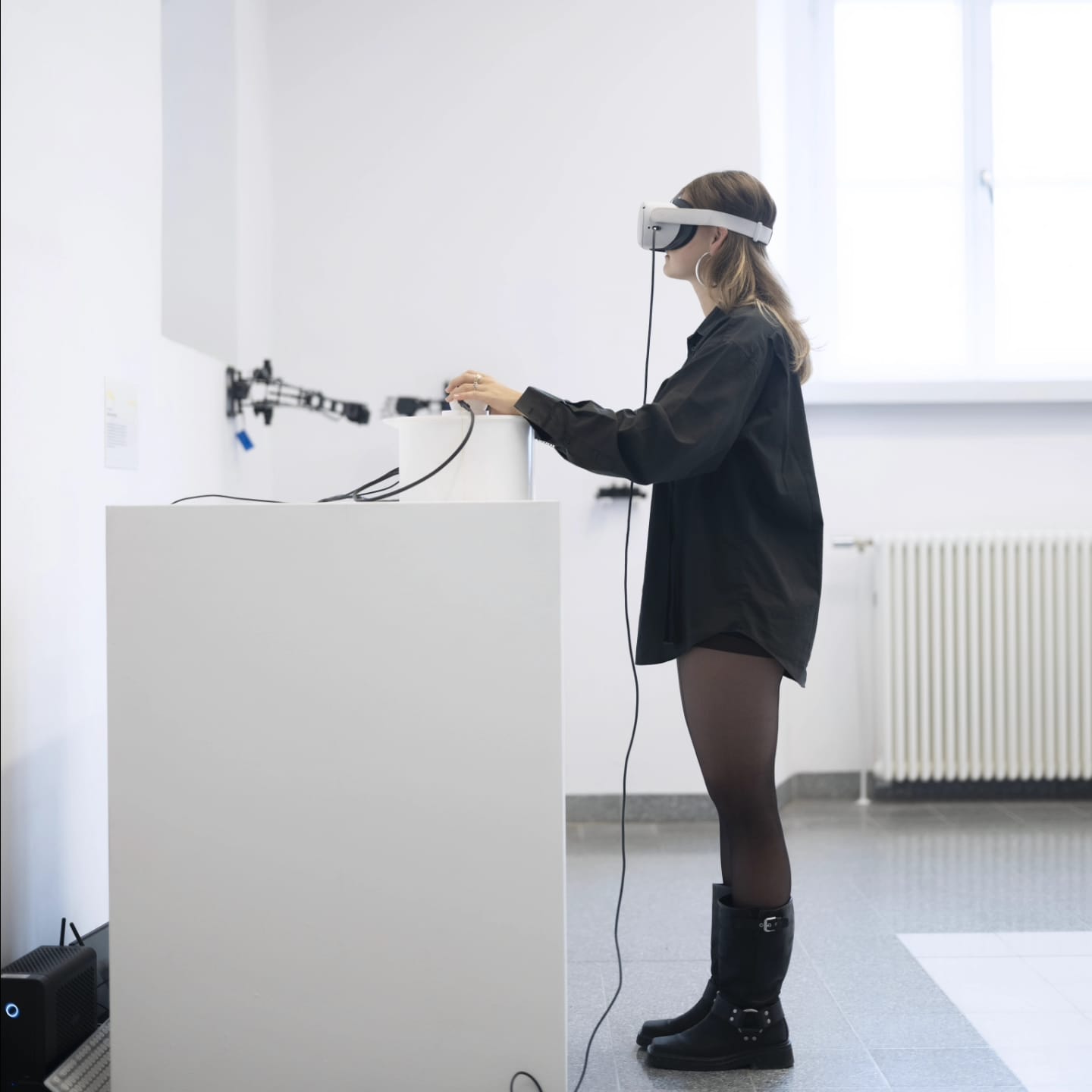
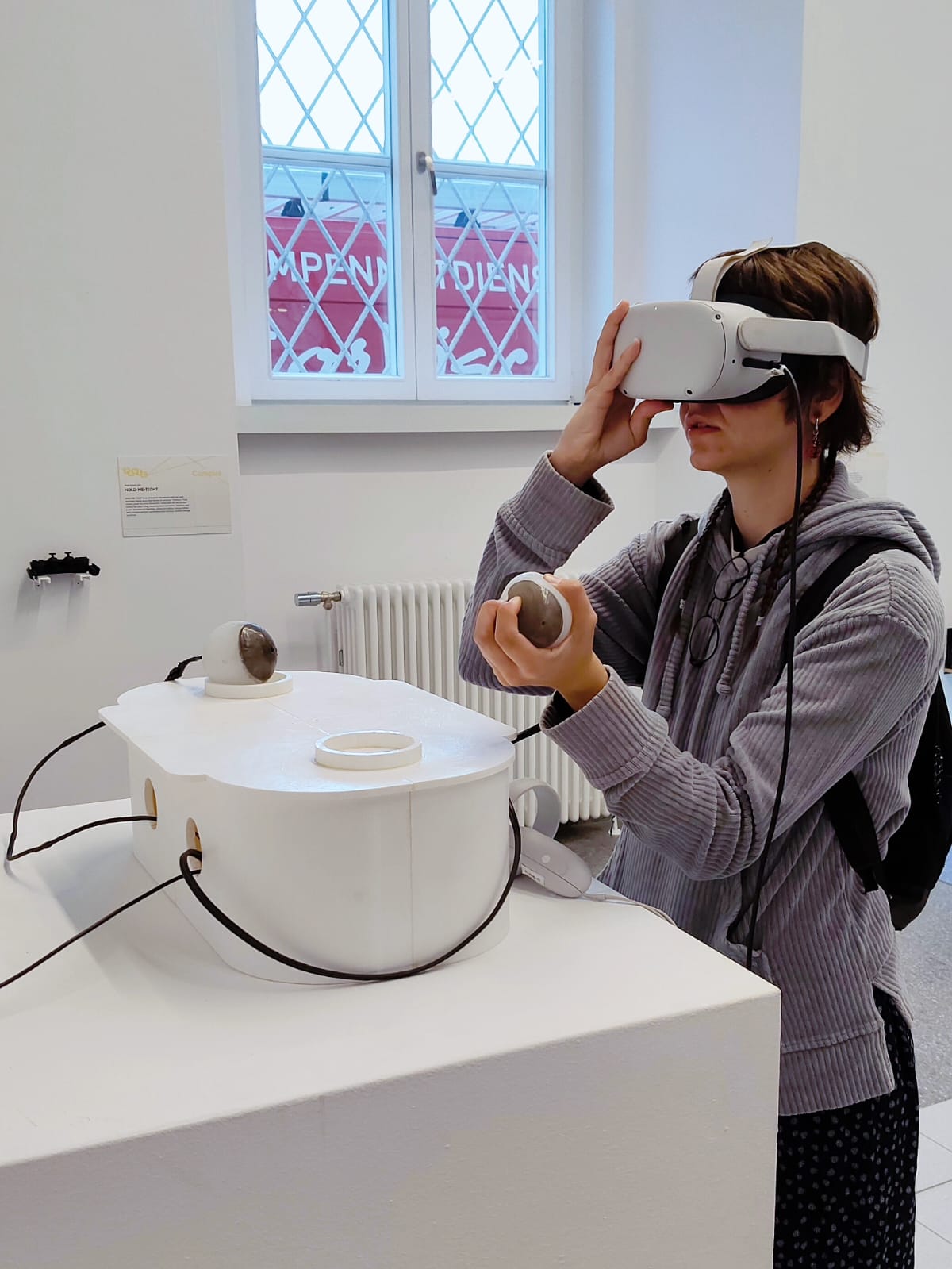
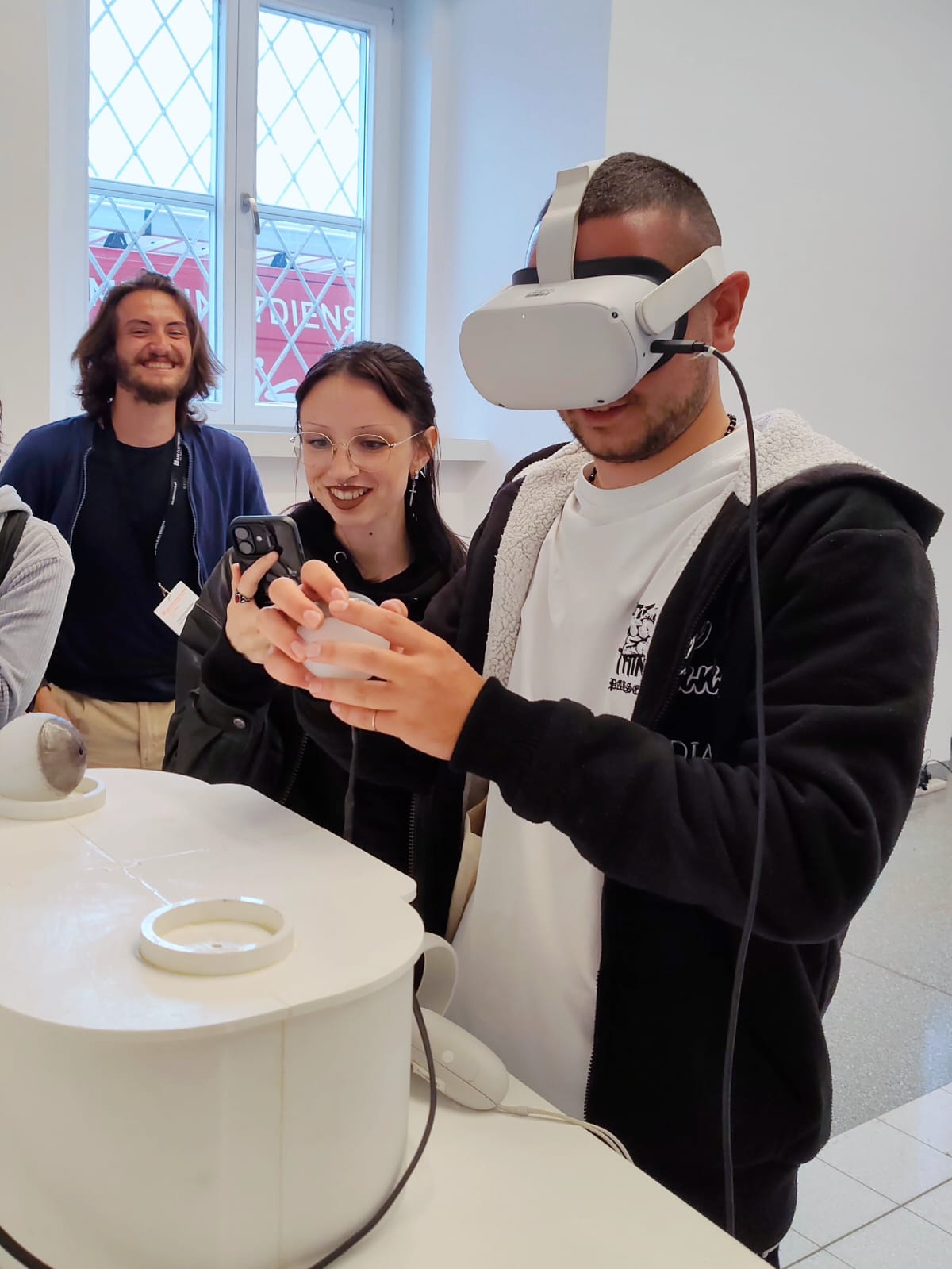
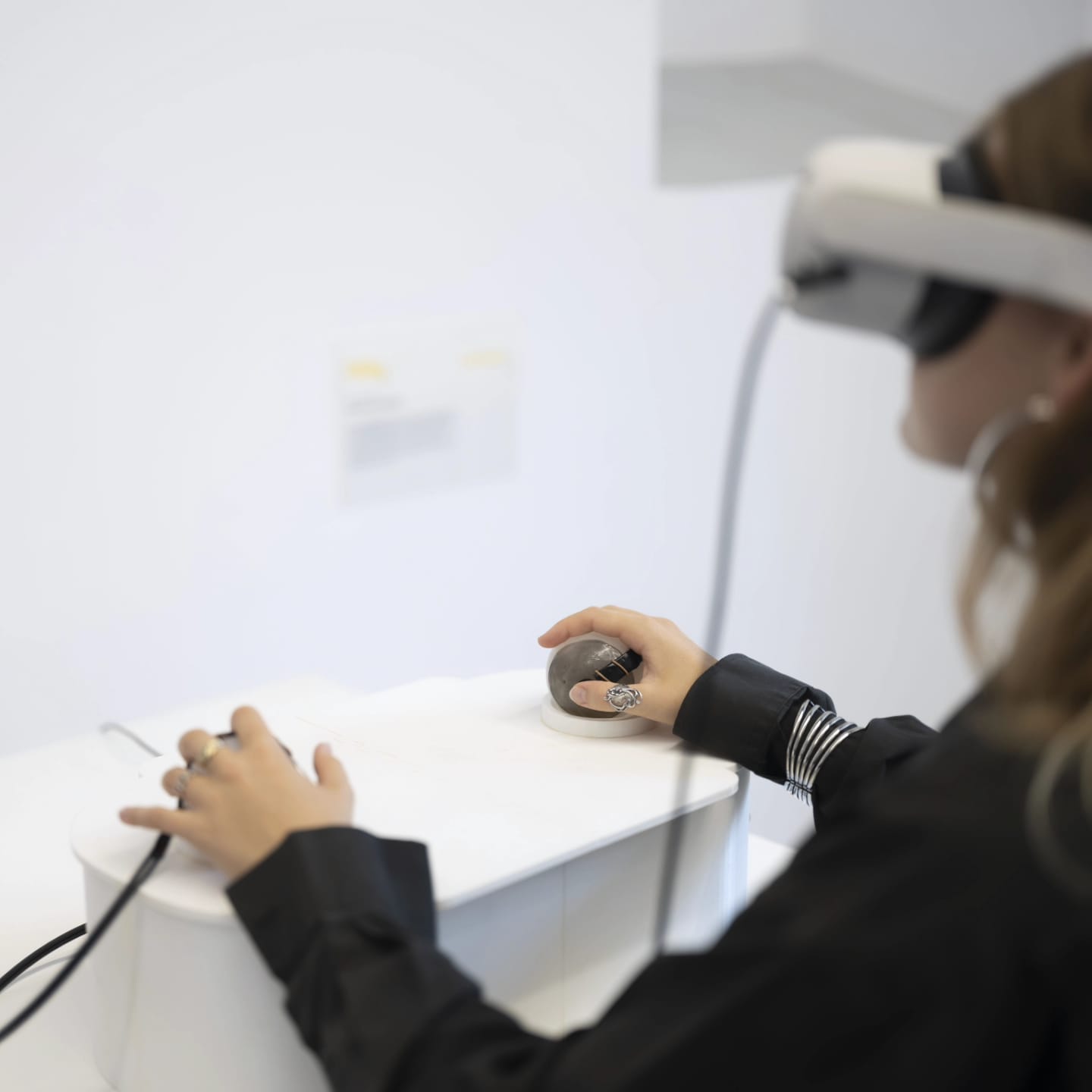
Medium: Silicone eyeballs, Pressure sensors, Electronics circuit, Projector/VR headset/Screen, PC setup
Dimensions: 2 ft (L) x 1.5 ft (H) x 1.5 ft (W) (of the box with the eyeballs only)
Status: Evolving. First iteration completed in August, 2026
Abstract:
Our cornea is the clear, dome-shaped window at the front of the eye that functions like a convex lens, focusing light onto the brain’s visual cortex. In keratoconus, this cornea thins and bulges like a cone, distorting light and creating a fragmented reality. Vision becomes blurry, doubled, even tripled; making simple tasks like reading, writing, or recognizing faces feel distant. Hard lenses can manage the distortion temporarily, but advanced stages often require corneal transplants. Most people living with keratoconus, like me, have learnt to adapt. I was diagnosed with moderate keratoconus eight years ago. As someone deeply involved with drawing, painting, and sculpture, this condition struck at the heart of how I understood the world. It destabilized not only my physical vision, but my emotional and creative center. But over time, this break became a shift into a layered way of seeing that I would never have known otherwise. I came to a greater realisation that this condition can act as a portal to a different way of perceiving the world. Keratoconus revealed a layered and fractured visual reality that people with normal sight or curable eyesight will never encounter. It showed me how reality itself can split, blur, and double. It leads to a new door of conversation that not only discuss physical distortions in nature but also social, historical, and philosophical perspectives about duality, perception, and truth. Keratoconus introduced me to an alternate visual logic. Not a failure of vision, but a reframing of it. This project begins from that reframing. It doesn’t aim to represent keratoconus scientifically. It tries to translate what it feels like. Two silicone eyes embedded with pressure sensors become the interface. When left alone, the visuals; either projected or within a VR headset, is blurry, fractured, ghosted. When the eyes are squeezed, they shift toward clarity. It’s not perfect clarity, but something more intimate: a sensory translation of the desire to see. The project also reflects the layered causes of the condition. Studies link keratoconus to genetic predisposition, intense UV exposure, chronic eye rubbing (especially from allergies), and even to broader environmental factors worsened by climate change. There is a clear correlation between higher keratoconus rates and hot, polluted regions, especially in South Asia and the Middle East. This makes the condition not just medical, but also political, environmental, and social. It sits within questions of environmental care, awareness, and who gets access to vision; both literally and metaphorically.
My work takes these scientific truths and merges them with lived experience. The visual layers are created through distortion, duplication, and blur effects that shift in real time with touch and pressure. The audio, that are intended to be delivered in stereo through VR headsets, layers internal monologues and clinical eye-test prompts like, “Can you see it now?” or “Are there two moons?” When the eyes are squeezed, the sound is intended to be collapsed to mono, as if centered at the back of the head. It’s not just visual clarity that’s being sought, but perceptual and emotional alignment. Ultimately, this work explores how fragile and how embodied our idea of reality really is. It creates a space where the viewer doesn’t just observe, but gently participates; holding, squeezing, adjusting, as if trying to understand something not by looking at it, but by feeling their way through it. It’s a communicative bridge between those who’ve lived with permanent distortions and those who haven’t. And beyond that, it becomes a metaphor for the ways layered truth, history, global awareness and identity can split, shift, and demand to be felt and understood. It’s about touch, tension, and the soft ache of trying to see. It’s about the hope that even if you can’t see exactly what I see, maybe you can feel it.
Showcase
ARS Electronica Festival Campus exhibition in 2025
1st iteration